Last updated: February 25, 2026. Information verified through web research.
The Conventional Wisdom (And Why It's Wrong)
Everyone tells you to visit Brazil in summer (December-March). The logic: warm weather, beach season, Carnival.
But here's what they don't tell you: summer is hot (35°C+), humid, crowded, expensive — and not even the best time to see the things Brazil is famous for.
I've spent 18 winters in Florianopolis and countless months traveling throughout Brazil. Let me tell you why May through September is actually the better choice.
The Real Reasons to Go in Winter
1. Wildlife Viewing — This Is the Season
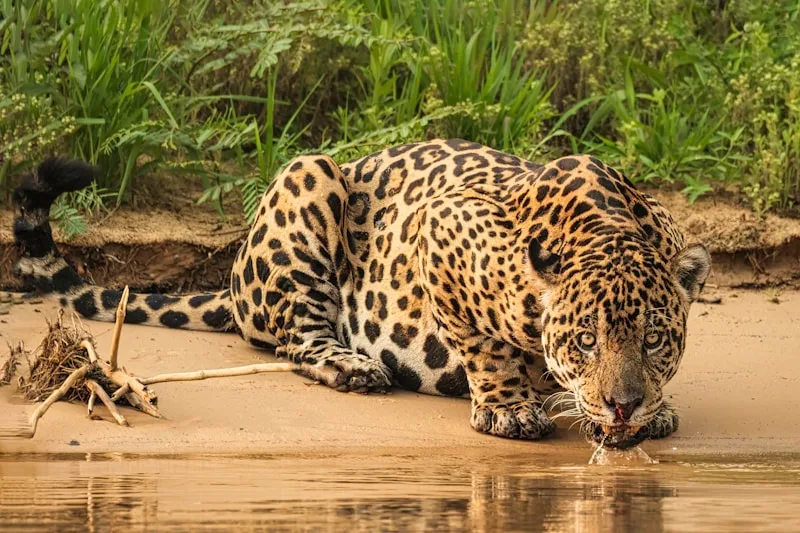
The Pantanal is the best example. May through October is the dry season. Water levels drop, animals concentrate around the remaining water, and jaguars — yes, actual jaguars — become easy to spot.
In summer (wet season), the Pantanal floods. Animals disperse. Many lodges close. You're not seeing jaguars in December.
The Amazon is similar. Dry season (June-December) means lower rivers, more accessible trails, and better wildlife viewing. The wet season means boat-only access and hidden animals.
Lençóis Maranhenses — the famous lagoons are full from May to October. After that, they start drying up. Visit in June-September for the classic white dunes + turquoise water photos.
2. Fewer Crowds
In summer, the beaches are packed. In winter, they're empty.
In Rio, you can actually find a spot on Ipanema in July. In Florianopolis, you'll have the beach to yourself.
The attractions — Christ the Redeemer, Iguazu Falls, the historic centers — are all noticeably less crowded in winter.
3. Cheaper Prices
This is huge. In peak season:
- Flights cost 30-50% more
- Hotels charge double or triple
- Tours book up and raise prices
In off-season, you'll find:
- Domestic flights sometimes under R$200
- Hotel rates 30-50% lower
- More availability and negotiating power
4. Better Weather for Exploration
Here's the thing: "winter" in Brazil doesn't mean cold like Europe or North America. In most of Brazil:
- São Paulo/Rio: 15-25°C, mild, pleasant
- Southeast: 15-28°C, comfortable
- Northeast: 25-30°C, still beach weather
- Amazon: 25-32°C, less rain than summer
The only cold places are the south (Santa Catarina, Rio Grande do Sul), where it can get down to 5-10°C at night in June-July.
What Each Region Offers in Winter
Pantanal (June-September)
This is peak season for wildlife. Jaguars, giant otters, capybaras, hyacinth macaws — all easily spotted as water recedes.
Book lodges 2-3 months ahead. This is the single best time to visit the Pantanal.
Amazon (June-December)
Dry season. More accessible trails, better wildlife viewing, fewer mosquitoes (actually).
Peak season for tours. Book ahead.
Rio de Janeiro (May-October)
Cooler, drier, more comfortable for sightseeing. You can actually walk around without melting.
Beach weather is still fine (20-25°C), just not scorching hot.
Northeast Beaches (Salvador, Jericoacoara, Praia do Forte)
Year-round warm. Winter is actually great — less rain, still hot (25-30°C), fewer tourists.
The best beach weather without the summer crowds.
Iguazu Falls (May-September)
The falls are spectacular year-round, but winter offers:
- Less rain
- Easier trail access
- Fewer crowds
- Better photos (less mist)
Florianopolis (May-September)
My home. Here's the honest truth: it's the low season. Some restaurants and hotels close. It rains more (but not crazy). The water is cold (17-20°C) — not for swimming.
But if you like moody beaches, empty bars, and local life? It's actually great.
What to Avoid in Winter
- Southern beaches (Florianopolis, Porto Alegre): Cold water, some closures
- July school holidays: Brazilians travel too, so expect crowds the second half of July
- Some remote lodges: Always check they're open (especially in the Pantanal)
- The South (June-August): Can be cold, rainy, and grey
The Month-by-Month Breakdown
| Month | Best For | What to Know |
|---|---|---|
| **May** | Lençóis lagoons full, Pantanal drying | Shoulder season, great deals |
| **June** | Pantanal dry season starts, Rio cool | Start of peak wildlife season |
| **July** | Jaguars, wildlife, Northeast beaches | School holiday = crowded |
| **August** | Peak Pantanal, best jaguar odds | Best month for wildlife |
| **September** | Shoulder season, warming up | Good prices, fewer crowds |
The Bottom Line
Skip the summer. Yes, you'll miss Carnival — but if seeing jaguars in the Pantanal, swimming in full lagoons at Lençóis, and exploring Rio in comfortable weather matters more, winter is when it's at.
The prices are lower, the crowds are thinner, and the experiences are actually better.